
Sleep Disorders Center of Alabama
Sleep Apnea
experiencing these concerning sleep apnea warning signs?
Sleep Apnea Symptoms Disrupting Your Life?
You wake up choking or feeling like you're suffocating during the night
You feel exhausted and drowsy during the day despite spending 8+ hours in bed
You experience morning headaches, high blood pressure, and mood changes
You're at risk for heart attack, stroke, or falling asleep while driving
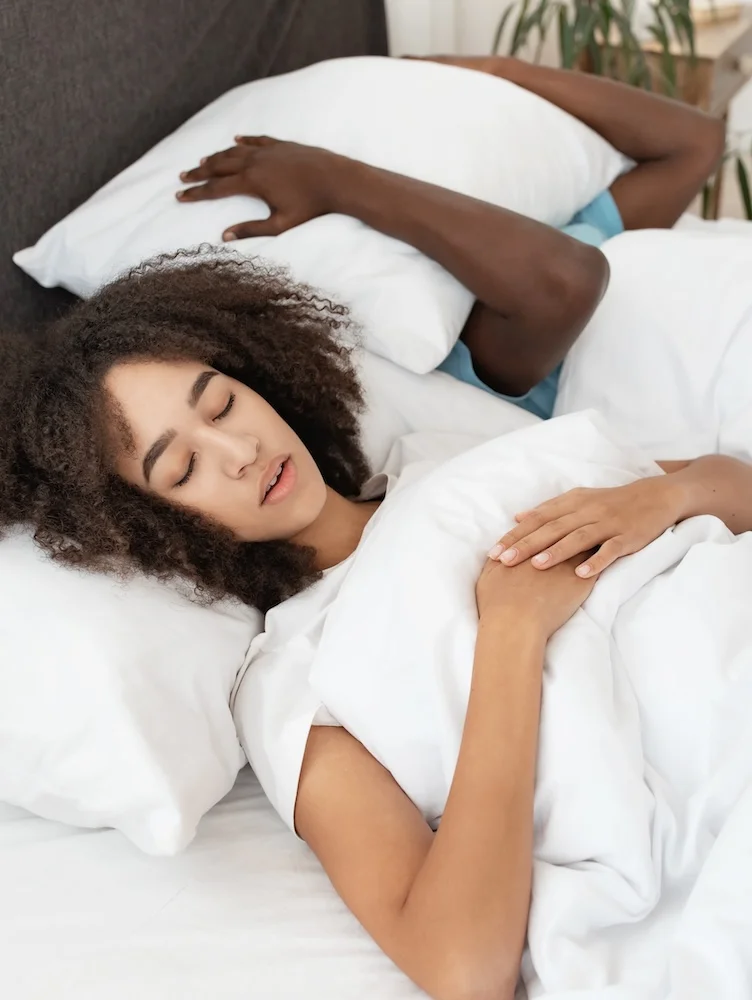
We Specialize in Diagnosing and Treating All Types of Sleep Apnea Using
Advanced Testing and ProvenTreatment Methods
Complete Sleep Apnea Diagnosis & Treatment Solutions

Sleep Apnea Diagnosis & Testing
Sleep apnea refers to non-breathing episodes during sleep, which may occur as frequently as several hundred times per night. Over 20 million Americans suffer from sleep apnea, most commonly individuals over 35 years old. A routine medical exam cannot reveal the main symptoms because breathing and airways remain normal while awake. Proper diagnosis of the severity and type of apnea can only be determined by monitoring your sleep at accredited sleep centers using specialized diagnostic equipment. We diagnose three types of apnea: Obstructive Sleep Apnea (most common, caused by airway blockage), Central Sleep Apnea (absence of respiratory effort from the central nervous system), and Mixed Apnea (combination of both types).

CPAP Therapy & Equipment
Continuous Positive Airway Pressure (CPAP) is the most effective treatment for sleep apnea. A small mask worn over the nose during sleep delivers gentle air pressure that holds the throat open, allowing normal sleep and breathing. Approximately 60-70% of patients who try CPAP find it an excellent solution to their breathing problem. Our dedicated CPAP specialists provide comprehensive equipment setup, mask fitting for comfort, proper usage training, and ongoing support to ensure long-term treatment success. We understand that proper maintenance is crucial—masks, headgear, and hoses should be replaced every 6 months for optimal therapy.

Alternative Sleep Apnea Treatments
For patients who cannot tolerate CPAP, we offer several alternative treatments. Oral appliances work by bringing the jaw or tongue forward to open the airway, particularly effective for mild to moderate sleep apnea. Inspire therapy is an innovative treatment involving a small device implanted during an outpatient procedure that works inside your body while you sleep, opening your airway by stimulating key airway muscles. Surgical options may be appropriate for physical problems like enlarged tonsils, nasal polyps, deviated septum, or excess throat tissue that blocks breathing during sleep.

Pediatric Sleep Apnea Care
Sleep apnea in children requires specialized attention, as it may be linked to SIDS and is often present in overweight children or those with enlarged tonsils and adenoids. Children with sleep apnea may snore or make squeaking sounds during sleep, appear to have breathing difficulties, sleep fitfully, or show daytime hyperactivity. Older children may seem sluggish, perform poorly in school, or be misdiagnosed with ADD/ADHD—up to 25% of children with attention disorders may actually have sleep apnea. Since loud nightly snoring is not normal for children, parents should report these symptoms to healthcare professionals immediately.

Sleep Apnea Health Consequences
Untreated sleep apnea can lead to life-threatening health problems. During apneic episodes, blood oxygen decreases, causing blood pressure to rise sharply and the heart to slow or stop. Sleep apnea causes personality changes, morning headaches, hypertension, irregular heart rhythm, impotence, and increases risk of heart attack, stroke, and motor vehicle accidents. Other consequences include excessive daytime sleepiness, disturbed sleep, loss of interest in sex, frequent nighttime urination, and depression. Treatment usually reverses these symptoms and may help prevent serious cardiovascular consequences.

Lifestyle & General Treatment Measures
Alongside medical treatment, lifestyle modifications can significantly improve sleep apnea symptoms. Weight loss is often highly effective—even partial weight loss of 20 pounds can improve breathing during sleep and reduce daytime sleepiness. Avoiding alcohol within four hours of bedtime is crucial, as it depresses breathing and makes episodes more frequent and severe. Sleeping pills should be avoided as they relax throat muscles and worsen sleep apnea. Sleeping on your side or stomach rather than your back can help, and nasal decongestants or dilating devices may reduce snoring and episode likelihood.
Why Choose Us
What sets us apart from other sleep centers in Alabama
Personal Physician Consultations
Rapid Scheduling
No Hidden Facility Fees
Comprehensive Follow-Up Care
CPAP Specialists On-Site
AASM Accredited Facility
How it works
Getting Better Sleep is Simple

Schedule Your Consultation
Call us at (205) 599-1020 to book your initial office visit. During this comprehensive interview, we'll discuss your sleep history and determine if a sleep study is needed.

Complete Your Sleep Study
If recommended, you'll spend a comfortable night in one of our state-of-the-art sleep suites while our certified technologists monitor your sleep patterns.

Start Your Treatment Plan
The morning after your study, you'll meet with your doctor to discuss results and begin your personalized treatment plan for better sleep.
questions about SleepApnea Treatment
Frequently Asked Questions
How do I know if I have sleep apnea or just snore loudly?
Sleep apnea involves actual breathing interruptions, gasping, or choking sounds, along with excessive daytime sleepiness despite adequate sleep time. A sleep study is the only way to definitively diagnose sleep apnea.